
Mosquito problems in South Florida are persistent throughout much of the year because of the region’s Year-Round “Tropical” Climate. Warm temperatures combined with high humidity create ideal conditions for mosquitoes to breed and remain active even outside of traditional summer months. For homeowners, this means mosquito activity is not limited to a single season but instead fluctuates based on weather patterns, rainfall, and coastal conditions.
The tropical rainy season plays a major role in increasing mosquito populations. Frequent heavy rainfall creates standing water in yards, landscaping, and drainage areas, which provides ideal breeding sites. During the Atlantic hurricane season, these conditions can intensify as storms bring flooding and extended periods of moisture. Even after storms pass, lingering water sources can continue to support mosquito development.
Gulf Coast sea breezes also influence mosquito activity across coastal communities. While breezes can provide some relief from heat, they also carry moisture inland and contribute to humid conditions that mosquitoes thrive in. This combination of heat, moisture, and airflow helps sustain mosquito populations across both inland and coastal neighborhoods.
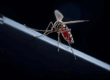
Homeowners in areas such as Brickell, Coconut Grove, and Coral Gables often experience consistent mosquito pressure due to dense urban environments mixed with tropical landscaping and nearby water sources. These conditions allow mosquitoes, especially Aedes mosquitoes, to remain active and reproduce efficiently throughout the year.
Because of these environmental factors, mosquito traps alone are often not enough to manage the problem. Effective Mosquito Control in South Florida typically requires a broader approach that addresses both breeding sites and adult mosquito activity. Solutions such as Mosquito Misting Systems and QuickNix Mosquito Treatments from MosquitoNix are often used alongside mosquito traps to help homeowners reduce mosquito populations and improve outdoor living conditions.
Understanding the Year-Round Tropical Climate and Mosquito Activity
South Florida’s Year-Round “Tropical” Climate is one of the main reasons mosquito activity remains consistent throughout the year. Unlike regions that experience a true winter season, South Florida maintains warm temperatures that allow mosquitoes to continue their life cycle without long periods of interruption. This creates an environment where mosquito populations can build continuously rather than resetting seasonally.
Heat and humidity are the two primary drivers of mosquito activity in this region. High humidity helps mosquitoes survive longer, while warm temperatures accelerate their breeding cycle. When these conditions are combined with regular rainfall during the tropical rainy season, mosquito populations can increase rapidly in a short amount of time.
The presence of Gulf Coast sea breezes adds another layer of influence. These breezes move moisture across both coastal and inland areas, helping maintain the humid conditions mosquitoes prefer. In cities like Miami and surrounding communities, including Brickell, Coconut Grove, and Coral Gables, this combination of climate factors creates a consistent environment for mosquito activity.
Standing water is a critical factor in sustaining mosquito populations. Even small amounts of water collected in landscaping, gutters, or outdoor containers can become breeding sites. During periods of heavy rainfall, especially during the Atlantic hurricane season, these conditions become even more widespread, leading to noticeable increases in mosquito activity across residential neighborhoods.
Because mosquito pressure remains steady throughout the year, homeowners often explore multiple Mosquito Control methods to manage exposure. A mosquito trap can help reduce the number of mosquitoes in localized areas, but in a Year-Round “Tropical” Climate, it is typically most effective when used as part of a broader strategy that includes environmental management and professional support such as Mosquito Misting Systems and QuickNix Mosquito Treatments from MosquitoNix.
What Is a Mosquito Trap and How Does It Work
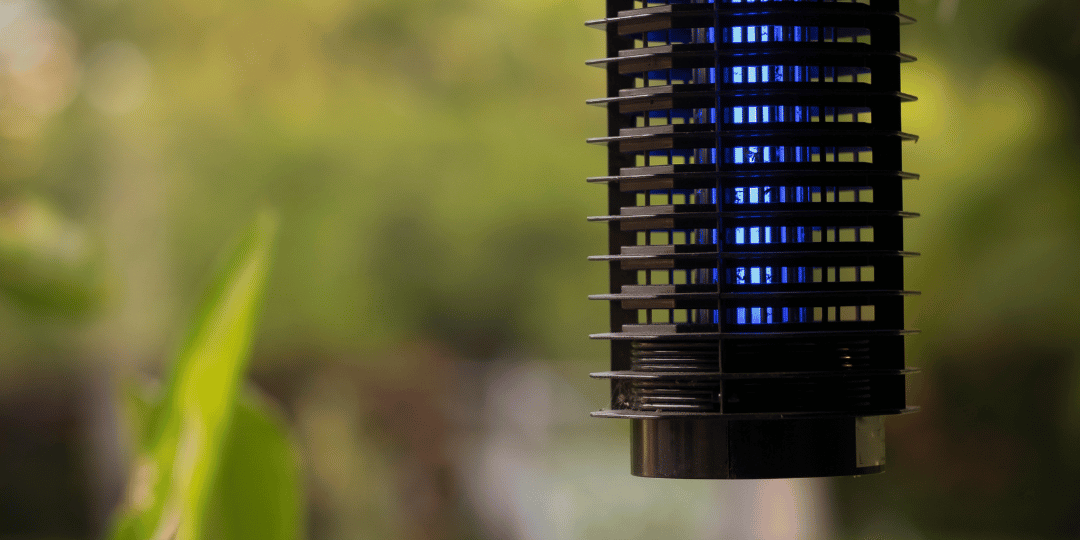
A mosquito trap is a device designed to attract and capture mosquitoes by using specific signals that mimic the conditions mosquitoes respond to in nature. These signals often include carbon dioxide, heat, moisture, or light, depending on the type of trap being used. The goal is to draw mosquitoes away from living areas and reduce their presence in outdoor spaces.
In a South Florida environment, a mosquito trap is often used as part of a broader Mosquito Control strategy. Because the Year-Round “Tropical” Climate supports continuous mosquito activity, especially during the tropical rainy season and Atlantic hurricane season, homeowners often need multiple tools to manage mosquito populations effectively.
Most mosquito traps work by luring mosquitoes toward a central point where they are then captured or eliminated. Some models use fans to pull mosquitoes into a containment area, while others use sticky surfaces or collection chambers. The effectiveness of a mosquito trap depends on placement, environmental conditions, and the surrounding level of mosquito activity.
In neighborhoods such as Brickell, Coconut Grove, and Coral Gables, traps are commonly used in outdoor living spaces where people gather. However, their performance can be influenced by nearby standing water and dense vegetation, which provide additional breeding sites for mosquitoes, particularly Aedes mosquitoes that are common in South Florida.
While a mosquito trap can reduce local mosquito presence, it is not always sufficient on its own in a Year-Round “Tropical” Climate. Homeowners often combine traps with additional Mosquito Control methods to achieve better results. These may include Mosquito Misting Systems and QuickNix Mosquito Treatments from MosquitoNix, which help target mosquitoes in areas where traps may not reach.
Do Mosquito Traps Actually Work in South Florida
Mosquito traps can be effective in reducing mosquito activity, but their performance in South Florida depends heavily on environmental conditions. In a Year-Round “Tropical” Climate, where warm temperatures, high humidity, and frequent rainfall support continuous mosquito breeding, traps often need to work alongside other Mosquito Control methods to deliver noticeable results.
In controlled or smaller outdoor spaces, a mosquito trap can help lower the number of mosquitoes by attracting and capturing them before they reach people. However, in areas like Brickell, Coconut Grove, and Coral Gables, where dense urban environments and tropical landscaping create multiple breeding sources, mosquitoes such as Aedes can reproduce quickly after rainfall. This can make it difficult for a single mosquito trap to keep up with population growth.
The tropical rainy season and Atlantic hurricane season also play a significant role in how well mosquito traps perform. Heavy rainfall can create widespread standing water, which increases mosquito breeding sites beyond the reach of a single device. Gulf Coast sea breezes may also influence mosquito movement across neighborhoods, allowing new populations to enter areas where traps are already in use.
For these reasons, mosquito traps are most effective when used as part of a broader Mosquito Control plan. Homeowners who rely only on traps may notice temporary reductions in mosquito activity, but sustained pressure often requires additional support.
Many South Florida homeowners combine mosquito traps with Mosquito Misting Systems to provide more consistent coverage around their property. In addition, QuickNix Mosquito Treatments from MosquitoNix can help address sudden increases in mosquito activity after storms or periods of heavy rainfall.
Overall, mosquito traps do work, but in a Year-Round “Tropical” Climate they are best viewed as one layer of protection rather than a complete solution.
How Mosquito Control Fits Into a Complete Protection Strategy
Effective Mosquito Control in South Florida requires more than a single device or approach, especially in a Year-Round “Tropical” Climate where mosquitoes remain active throughout the year. Because conditions such as high humidity, frequent rainfall during the tropical rainy season, and storm activity during the Atlantic hurricane season continuously support mosquito breeding, homeowners need a layered strategy to manage mosquito populations.
A mosquito trap can play a helpful role by reducing the number of mosquitoes in specific outdoor areas. However, it works best when combined with broader Mosquito Control practices that address both breeding sources and adult mosquito activity. Without addressing standing water and environmental conditions, mosquito populations can quickly rebound, especially in neighborhoods like Brickell, Coconut Grove, and Coral Gables where dense landscaping and nearby water sources contribute to ongoing mosquito pressure.
A complete Mosquito Control strategy typically includes several key components:
- Reducing standing water around the property, including gutters, planters, and outdoor containers
- Maintaining landscaping to limit shaded resting areas for mosquitoes
- Using tools like mosquito traps to target adult mosquito activity
- Applying consistent treatments to reduce overall mosquito populations
In South Florida, Aedes mosquitoes are especially persistent and can breed in very small amounts of water. This makes ongoing attention to environmental conditions even more important for homeowners who want to reduce mosquito activity around their outdoor spaces.
Professional solutions can strengthen this overall approach. Mosquito Misting Systems provide consistent treatment coverage around residential properties, helping reduce mosquito populations in areas where they rest and breed. In addition, QuickNix Mosquito Treatments from MosquitoNix offer a fast response option when mosquito activity increases after heavy rainfall or storm events.
When combined with a mosquito trap, these strategies create a more comprehensive approach to Mosquito Control. This layered method is often the most effective way for South Florida homeowners to manage mosquito pressure in a Year-Round “Tropical” Climate and maintain more usable outdoor living spaces throughout the year.
Mosquito Misting Systems and Quick Response Treatment Options
In South Florida’s Year-Round “Tropical” Climate, relying on a single tool like a mosquito trap is often not enough to manage consistent mosquito pressure. Warm temperatures, high humidity, and seasonal rainfall during the tropical rainy season and Atlantic hurricane season create ongoing conditions where mosquitoes can reproduce quickly and in large numbers. This is why many homeowners in areas such as Brickell, Coconut Grove, and Coral Gables use a combination of solutions to support more effective Mosquito Control.
Mosquito Misting Systems are one of the most reliable long term approaches for reducing mosquito activity around residential properties. These systems are designed to deliver scheduled treatments to targeted areas where mosquitoes tend to rest, such as dense landscaping, shaded areas, and perimeter vegetation. By maintaining consistent coverage, Mosquito Misting Systems help reduce mosquito populations over time and support more comfortable outdoor living spaces.
While mosquito traps focus on capturing adult mosquitoes in specific locations, misting systems help address broader activity across the entire property. This combination is especially useful in coastal environments where Gulf Coast sea breezes can carry moisture and support mosquito movement between neighboring areas.
In addition to ongoing misting systems, QuickNix Mosquito Treatments from MosquitoNix provide a fast response option when mosquito activity spikes. These spikes often occur after heavy rainfall, storm activity, or periods of increased humidity, all of which are common during the Atlantic hurricane season. QuickNix Mosquito Treatments are designed to help quickly reduce mosquito presence so homeowners can regain use of their outdoor spaces sooner.
When used alongside a mosquito trap, these solutions create a more complete Mosquito Control approach. The trap helps target localized mosquito activity, while Mosquito Misting Systems and QuickNix Mosquito Treatments address broader environmental conditions that support mosquito breeding and survival.
For South Florida homeowners, combining these methods is often the most effective way to manage mosquito pressure consistently throughout the Year-Round “Tropical” Climate and maintain more enjoyable outdoor living areas.
What South Florida Homeowners Should Know About Mosquito Prevention
Mosquito prevention in South Florida requires consistent attention throughout the Year-Round “Tropical” Climate. Unlike regions with a defined off season, local conditions allow mosquito activity to continue across all months, especially during the tropical rainy season and periods of intense weather activity during the Atlantic hurricane season. For homeowners in areas such as Brickell, Coconut Grove, and Coral Gables, this means mosquito pressure can remain a constant part of outdoor living.
A mosquito trap can help reduce mosquito numbers in specific areas, but long term Mosquito Control depends on addressing the environmental conditions that allow mosquitoes to thrive. Standing water is one of the most important factors, and even small collections of water can support breeding for Aedes mosquitoes, which are common throughout South Florida. After heavy rainfall or strong Gulf Coast sea breezes that bring moisture inland, these conditions can quickly reappear around residential properties.
Homeowners can improve prevention efforts by combining several approaches. Maintaining landscaping, removing standing water, and using a mosquito trap all contribute to reducing mosquito activity. However, in a climate where mosquito populations can rebound quickly, many residents also rely on professional support to maintain more consistent results.
Mosquito Misting Systems provide ongoing coverage that helps reduce mosquito populations around the home, while QuickNix Mosquito Treatments from MosquitoNix offer a fast response when mosquito activity increases after storms or periods of heavy rainfall. Together, these solutions support a more comprehensive Mosquito Control strategy tailored to South Florida conditions.
How Local Conditions Iinfluence Mosquito Behavior
Mosquito traps can be a helpful tool for reducing mosquito activity, but in South Florida’s Year-Round “Tropical” Climate they are most effective when used as part of a broader approach. The combination of heat, humidity, tropical rainfall, and seasonal storm activity creates ongoing challenges for homeowners trying to manage mosquitoes on their own.
By understanding how local conditions influence mosquito behavior and by using multiple Mosquito Control strategies together, homeowners can significantly reduce mosquito pressure around their properties. This creates a more enjoyable outdoor environment throughout the year, even during peak mosquito activity periods.
MosquitoNix South Florida helps homeowners take a more complete approach to mosquito reduction. With Mosquito Misting Systems and QuickNix Mosquito Treatments, MosquitoNix provides solutions designed to address local conditions and help reduce mosquito populations more effectively.
If mosquitoes are limiting your time outdoors, now is the time to act. Contact MosquitoNix South Florida today to learn how a customized mosquito solution can help you take back your backyard and stay ahead of mosquito activity in South Florida.