

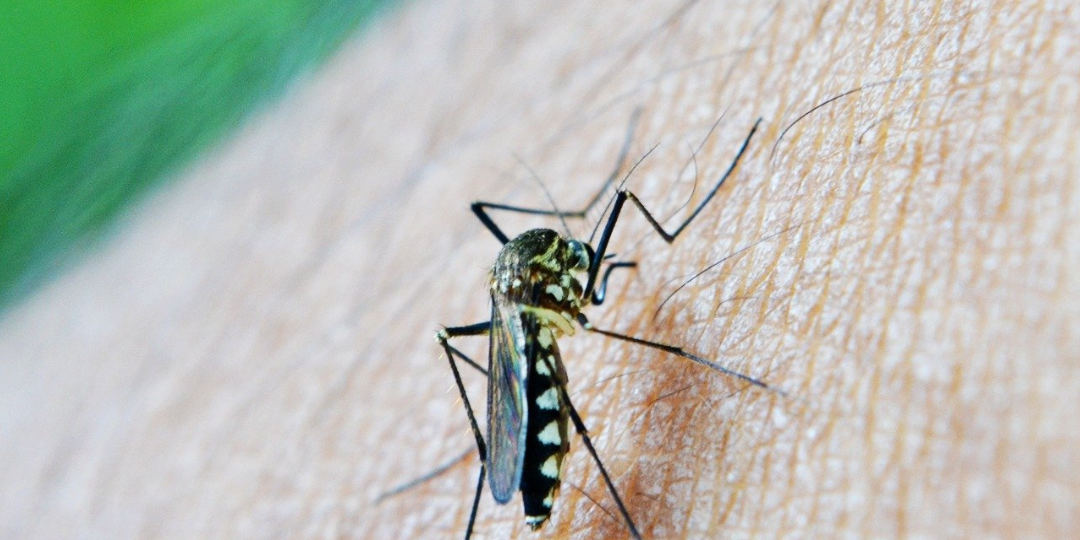
For South Florida homeowners, mosquitoes are a year round concern that can become especially noticeable when warm weather, scattered afternoon showers, and active tropical moisture create favorable conditions for mosquito activity. With heavy ambient humidity and abundant water sources throughout the region, homeowners in Miami and Fort Lauderdale need to understand not only how to reduce mosquito activity around their properties, but also how to recognize potential mosquito diseases symptoms.
South Florida’s unique environment contributes to the challenge. From the Florida Keys to the Everglades wetlands, water and warm temperatures are a natural part of the landscape. Around residential properties, however, standing water in containers, planters, gutters, pool covers, and other areas can provide mosquitoes with places to develop.
The concern is not simply about an itchy bite. Certain mosquitoes can transmit illnesses, including dengue, West Nile virus, chikungunya, Zika, and malaria. In August 2026, the Florida Department of Health in Miami Dade County issued a mosquito borne illness alert following a confirmed locally acquired case of dengue. The department continues to monitor several mosquito borne illnesses across Florida.
Understanding Mosquito Diseases Symptoms
A mosquito bite does not automatically mean that you have been exposed to a disease. Most mosquito bites result in localized irritation, but some mosquito borne illnesses can cause symptoms such as fever, headache, fatigue, muscle aches, joint pain, or rash.
Understanding these symptoms can help South Florida homeowners know when a mosquito bite may be more than a temporary annoyance. It is important to remember that many of these symptoms can also occur with other illnesses, so symptoms alone cannot confirm a mosquito borne disease.
For example, the Florida Department of Health notes that dengue can cause fever, severe muscle aches and joint pain, and sometimes a rash. Symptoms can develop within 14 days after a bite from an infected mosquito.
Why Mosquito Control Matters at Home
Recognizing symptoms is only one part of the picture. Prevention is equally important. The Florida Department of Health recommends removing standing water from items such as buckets, gutters, pool covers, flowerpots, toys, and other containers where rainwater can collect. Keeping doors and windows closed and maintaining screens can also help reduce mosquito entry into homes.
This is particularly relevant in neighborhoods such as Doral, Las Olas, Downtown Fort Lauderdale, and Flagler Village, where homeowners may have everything from landscaped yards to patios, balconies, pools, and other outdoor spaces. During periods of active tropical moisture and scattered afternoon showers, checking these areas regularly can help reduce opportunities for mosquitoes to develop.
Throughout this guide, we will explain common mosquito diseases symptoms, what mosquito bites may look like, which symptoms deserve attention, and what South Florida homeowners can do to reduce mosquito activity around their properties.
For homeowners searching for Mosquito treatment near me, professional Mosquito Control can also be part of a broader property management strategy. MosquitoNix South Florida helps homeowners take a proactive approach to their outdoor spaces with solutions designed to support the goal of helping customers live a life without mosquitoes and take back their backyards.
What Are the Most Common Diseases Transmitted by Mosquitoes?
Not every mosquito carries a disease, but certain mosquito species can transmit viruses and parasites when they bite. For South Florida homeowners, understanding the illnesses associated with mosquitoes can help put mosquito diseases symptoms into perspective and reinforce the importance of reducing mosquito exposure around the home.
Florida health officials identify several mosquito borne diseases that can occur in the state, including West Nile virus, Eastern equine encephalitis, and St. Louis encephalitis. Diseases such as dengue, chikungunya, Zika, and malaria can also occur in Florida, including through travel related cases or local transmission under certain circumstances. (floridahealth.gov)
Dengue
Dengue is particularly relevant to South Florida because the mosquitoes capable of transmitting dengue, including Aedes aegypti and Aedes albopictus, are present in Florida. Florida health officials report that dengue can cause a sudden fever along with severe headache, pain behind the eyes, muscle pain, and joint pain. (floridahealth.gov)
According to the CDC, other dengue symptoms can include nausea, vomiting, and rash. Symptoms typically begin within two weeks after a bite from an infected mosquito. (cdc.gov)
Because dengue can resemble other illnesses, homeowners should not attempt to diagnose the disease based only on symptoms. Anyone experiencing symptoms after potential mosquito exposure should speak with a healthcare provider.
West Nile Virus
West Nile virus is another mosquito borne illness found in Florida. The CDC reports that many people infected with West Nile virus develop no symptoms, while others can experience fever, headache, body aches, vomiting, diarrhea, or rash. Fatigue and weakness can continue after the initial illness in some people. (cdc.gov)
A small portion of infected people can develop more serious illness involving the nervous system. Severe symptoms can include high fever, severe headache, neck stiffness, confusion, muscle weakness, or other neurological changes. Prompt medical attention is important when these symptoms occur. (cdc.gov)
Chikungunya
Chikungunya is transmitted by infected mosquitoes and is known for causing fever and joint pain. Other possible symptoms include headache, muscle pain, joint swelling, and rash. The CDC notes that symptoms commonly begin three to seven days after an infected mosquito bite. (cdc.gov)
For South Florida homeowners, chikungunya is worth understanding because the same general mosquito environment that supports other mosquito borne illnesses can create opportunities for transmission if infected mosquitoes are present.
Zika and Malaria
Zika is another mosquito borne illness that can occur in Florida. Many people infected with Zika have no symptoms or experience only mild illness. When symptoms occur, they can include fever, rash, headache, joint pain, red eyes, and muscle pain. (cdc.gov)
Malaria is different because it is caused by a parasite rather than a virus. Florida health officials note that malaria can be introduced into the state through infected travelers, with local transmission possible when the appropriate mosquito and environmental conditions are present. (floridahealth.gov)
Why South Florida Homeowners Should Pay Attention
South Florida’s combination of heavy ambient humidity, scattered afternoon showers, and active tropical moisture can create conditions where mosquitoes remain an ongoing concern. From Doral to Downtown Fort Lauderdale, homeowners should regularly inspect outdoor areas for standing water and take steps to reduce mosquito exposure.
The connection between local conditions and mosquito activity is particularly important around the Florida Keys and the Everglades wetlands, where water and warm weather are natural parts of the environment. Residential properties can also provide smaller water holding areas through planters, containers, gutters, pool covers, and other outdoor items.
Understanding mosquito diseases symptoms does not mean assuming every mosquito bite will lead to illness. Instead, it gives homeowners a better reason to take mosquito prevention seriously and to seek medical advice when concerning symptoms develop after potential exposure.
A comprehensive Mosquito Control strategy can also help reduce mosquito activity around the home. For homeowners searching for Mosquito treatment near me, professional services can provide additional options for managing mosquito activity around outdoor living spaces while homeowners continue removing standing water and maintaining their properties.
What Do Infected Mosquito Bites Look Like?
One of the most common questions homeowners have after being bitten is whether an infected mosquito bite looks different from an ordinary mosquito bite. The answer is not always straightforward. You generally cannot tell whether a mosquito was carrying a disease simply by looking at the bite.
A typical mosquito bite can cause a puffy, reddish, itchy bump that appears shortly after the bite. Some people develop a harder, itchy bump later, while others may experience more noticeable swelling, soreness, or redness. People can react differently to mosquito bites.
For South Florida homeowners dealing with heavy ambient humidity and extreme mosquito activity, especially during periods of active tropical moisture and scattered afternoon showers, it is important to pay attention to symptoms that develop after a bite rather than relying only on how the bite looks.
Can You Tell If a Mosquito Bite Is Infected?
An ordinary mosquito bite can become irritated from scratching, and in some cases it can become infected with bacteria. According to the CDC, an infected bite may become increasingly red or warm, or a red streak may spread outward from the bite. If symptoms worsen, medical evaluation is recommended.
Signs that a bite may need medical attention can include:
- Increasing redness or warmth around the bite
- A red streak spreading away from the bite
- Worsening swelling or soreness
- Fever or other symptoms developing after the bite
- Symptoms that continue to worsen rather than improve
These signs are different from symptoms caused by a mosquito borne illness. A bacterial infection can develop when a person scratches a bite and damages the skin, while mosquito borne illnesses occur when an infected mosquito transmits a virus or parasite during a bite.
What If You Develop Symptoms After a Mosquito Bite?
Some mosquito borne illnesses can cause symptoms that extend well beyond the area of the bite. Depending on the illness, symptoms can include fever, headache, muscle aches, joint pain, fatigue, rash, nausea, or other symptoms.
For example, dengue commonly causes fever along with aches and pains, while chikungunya commonly causes fever and significant joint pain. West Nile virus can cause fever, headache, body aches, vomiting, diarrhea, or rash in people who develop symptoms.
The timing and combination of symptoms can vary, and many people infected with certain mosquito borne viruses have no symptoms at all. Because symptoms can overlap with other illnesses, a healthcare professional is the appropriate person to determine whether testing or additional care is needed.
Why This Matters for South Florida Homeowners
Mosquito exposure is a practical concern across South Florida. Homeowners in Doral, Downtown Fort Lauderdale, Flagler Village, and around Las Olas may experience mosquito activity around patios, gardens, pools, balconies, and other outdoor areas. During the rainy season, active tropical moisture and scattered afternoon showers can also leave water in containers and other areas around a property.
The CDC recommends controlling mosquitoes both inside and outside the home and removing standing water where mosquitoes can develop.
That means homeowners should not wait until they notice a concerning bite before thinking about Mosquito Control. Regularly inspecting the property, removing standing water, maintaining screens, and reducing mosquito activity around outdoor living areas can all play a role in limiting exposure.
For homeowners searching for Mosquito treatment near me, professional mosquito services can provide another option for managing mosquito activity around the property. MosquitoNix South Florida offers solutions including Mosquito Misting Systems, while QuickNix Mosquito Treatments can provide a treatment option for temporary outdoor needs.
Understanding what mosquito bites look like is useful, but recognizing potential illness symptoms and reducing mosquito exposure are equally important steps for South Florida homeowners.
Is Fatigue a Common Symptom After a Mosquito Bite?
Feeling tired after spending time outdoors does not necessarily mean you have a mosquito borne illness. Heat, humidity, physical activity, poor sleep, and many other factors can cause fatigue. However, fatigue can be a symptom of certain illnesses transmitted by mosquitoes, particularly when it occurs alongside fever, headache, body aches, or other changes in how you feel.
The important distinction is that fatigue is not typically caused by an ordinary mosquito bite itself. Instead, it can occur when the body is responding to an infection transmitted by an infected mosquito.
Fatigue and West Nile Virus
Fatigue is a recognized symptom of West Nile virus infection. The CDC reports that people who develop a mild illness may experience fever, headache, body aches, joint pain, fatigue, vomiting, diarrhea, or rash. While many people recover completely, fatigue and weakness can sometimes continue for weeks or months.
Most people infected with West Nile virus do not develop symptoms. When symptoms do occur, they commonly begin a few days after the bite from an infected mosquito.
This means a homeowner should look at the overall pattern of symptoms rather than assuming that tiredness following a mosquito bite indicates West Nile virus.
Can Dengue Cause Fatigue?
Dengue can also leave a person feeling extremely tired. Common dengue symptoms include fever, headache, pain behind the eyes, muscle pain, joint pain, nausea, vomiting, and rash. The CDC also lists extreme tiredness or restlessness among warning signs that require immediate medical attention when they occur in the appropriate stage of dengue illness.
This is especially relevant for South Florida residents because the Florida Department of Health reported a confirmed locally acquired dengue case in Miami Dade County in August 2026. Health officials noted that dengue can cause fever, severe muscle and joint pain, and sometimes a rash.
When Should Fatigue Be Taken Seriously?
Fatigue by itself is usually not enough to determine whether someone has a mosquito borne illness. However, it deserves more attention when it develops together with symptoms such as:
- Fever
- Significant headache
- Muscle or joint pain
- Rash
- Nausea or vomiting
- Unusual weakness
- Increasing or persistent symptoms
If these symptoms develop after possible mosquito exposure, particularly if you have recently traveled to an area where mosquito borne diseases occur, speak with a healthcare provider. Testing may be needed to determine the cause.
For dengue specifically, warning signs can develop after the fever begins to improve. Severe abdominal pain, repeated vomiting, bleeding from the nose or gums, blood in vomit or stool, or extreme tiredness or restlessness require immediate medical attention.
South Florida Outdoor Living and Mosquito Exposure
For homeowners in areas such as Doral, Las Olas, Downtown Fort Lauderdale, and Flagler Village, outdoor living is part of everyday life. Patios, pools, gardens, balconies, and shaded landscaping can all become places where homeowners encounter mosquitoes.
Heavy ambient humidity, scattered afternoon showers, and active tropical moisture can also make mosquito management an ongoing consideration. Water that collects in containers, planters, gutters, pool covers, and other outdoor areas can provide mosquitoes with places to develop.
Reducing mosquito exposure is therefore an important part of a broader Mosquito Control strategy. Homeowners can remove standing water, maintain window and door screens, use appropriate mosquito repellent, and consider professional services for additional mosquito management.
For those searching for Mosquito treatment near me, MosquitoNix South Florida provides options designed for residential outdoor spaces, including Mosquito Misting Systems and QuickNix Mosquito Treatments. These services are intended to help homeowners spend more time enjoying their outdoor spaces with fewer mosquitoes around the property.
Understanding fatigue as one possible symptom of mosquito borne illness can help homeowners recognize when it may be time to seek medical advice. At the same time, reducing mosquito exposure around the home remains an important everyday step toward helping South Florida families take back their backyards.
Can a Mosquito Bite Cause Muscle Pain?
A typical mosquito bite can cause itching, swelling, redness, and localized soreness, but muscle pain is different. Muscle pain can be one of the symptoms of certain mosquito borne illnesses, rather than a direct reaction to an ordinary mosquito bite. The CDC notes that common mosquito bite reactions are generally centered around the bite itself, while infections such as dengue, chikungunya, and Zika can cause broader symptoms that include muscle or body pain.
This distinction is important when looking at mosquito diseases symptoms. Having muscle pain after spending time outdoors does not automatically mean that a mosquito transmitted an illness. However, muscle pain combined with other symptoms deserves closer attention.
Muscle Pain and Dengue
Dengue is one mosquito borne illness associated with significant muscle and joint pain. According to the CDC, dengue commonly causes fever along with aches and pains that can include muscle, joint, bone, and eye pain. Other symptoms may include headache, nausea, vomiting, and rash.
The Florida Department of Health also identifies severe muscle and joint pain among the symptoms associated with dengue. Dengue symptoms generally appear several days after an infected mosquito bite rather than immediately after the bite itself.
This means that if someone develops widespread muscle pain, fever, headache, or rash days after possible mosquito exposure, it is worth speaking with a healthcare provider rather than assuming the discomfort is simply from the bite.
Can Chikungunya Cause Muscle Pain?
Chikungunya is another mosquito borne illness that can cause muscle pain. The CDC identifies fever and joint pain as the most common symptoms, with headache, muscle pain, joint swelling, and rash also possible. Symptoms commonly begin about three to seven days after an infected mosquito bite.
Joint pain can sometimes be particularly persistent with chikungunya. Because chikungunya, dengue, and Zika can produce overlapping symptoms, a healthcare provider may need to consider several possible causes when evaluating someone who develops fever and significant body or muscle pain.
What About Muscle Pain From a Regular Mosquito Bite?
Most mosquito bites cause a localized reaction. You may notice an itchy bump, redness, swelling, or soreness around the area where the mosquito fed. These reactions vary from person to person.
Widespread muscle pain is therefore different from soreness directly around a bite. If your arm, leg, back, or another area feels sore exactly where you were bitten, the discomfort may be related to the local reaction. If you develop muscle pain throughout the body along with fever or other illness symptoms, a mosquito borne infection is one possibility that should be discussed with a healthcare professional.
When Should Muscle Pain Get Your Attention?
Consider seeking medical advice if muscle pain develops with symptoms such as:
- Fever
- Severe headache
- Joint pain
- Rash
- Nausea or vomiting
- Significant weakness or fatigue
- Symptoms that continue to worsen
Dengue can occasionally become severe. The CDC advises immediate medical attention for warning signs such as abdominal pain, repeated vomiting, bleeding, or extreme tiredness or restlessness, particularly after a fever begins to improve.
Why Mosquito Exposure Matters in South Florida
South Florida homeowners can encounter mosquitoes around patios, pools, gardens, landscaping, and other outdoor areas. Heavy ambient humidity, scattered afternoon showers, and active tropical moisture can contribute to conditions where mosquitoes remain an ongoing outdoor concern.
From Doral and Flagler Village to Las Olas and Downtown Fort Lauderdale, homeowners can reduce exposure by eliminating standing water, maintaining screens, using appropriate personal repellents, and taking practical steps for Mosquito Control around their properties.
For homeowners searching for Mosquito treatment near me, MosquitoNix South Florida offers professional options including Mosquito Misting Systems and QuickNix Mosquito Treatments. These services are designed to help manage mosquito activity around residential outdoor spaces.
Understanding the difference between a normal bite reaction and symptoms associated with mosquito borne illness can help homeowners respond appropriately. If muscle pain occurs alongside fever or other concerning symptoms, medical guidance is the right next step. For everyday outdoor living, consistent Mosquito Control can also help homeowners spend more time enjoying their South Florida backyards.
What Are Bad Signs of a Mosquito Bite?
Most mosquito bites cause a temporary local reaction, such as an itchy, reddish bump, swelling, or soreness. However, some bites can develop complications, and mosquito bites can also transmit infections that cause symptoms beyond the skin. Knowing the difference can help South Florida homeowners recognize when a bite may require medical attention.
What Does an Infected Mosquito Bite Look Like?
One concern after a mosquito bite is a bacterial infection caused by scratching the skin. According to the CDC, an infected bite may become increasingly red or warm, and a red streak may spread outward from the bite. Symptoms that continue to worsen should be evaluated by a healthcare provider.
Watch for signs such as:
- Increasing redness around the bite
- Skin that feels warm around the affected area
- Swelling or soreness that continues to increase
- A red streak spreading away from the bite
- Symptoms that become worse instead of improving
Scratching can damage the skin and create an opportunity for bacteria to enter, so avoid scratching mosquito bites whenever possible.
What Symptoms Can Point to a Mosquito Borne Illness?
A mosquito bite does not provide a way to determine whether an infected mosquito was responsible for the bite. Instead, pay attention to symptoms that develop elsewhere in the body.
Depending on the illness, mosquito diseases symptoms can include:
- Fever
- Headache
- Muscle pain
- Joint pain
- Rash
- Nausea or vomiting
- Fatigue or unusual weakness
Dengue, for example, commonly causes fever accompanied by muscle, joint, bone, or eye pain, headache, nausea, vomiting, or rash.
When Is a Mosquito Bite a Medical Concern?
Some symptoms warrant prompt medical evaluation, particularly when they occur after possible mosquito exposure. A healthcare provider can determine whether testing or additional evaluation is appropriate.
For suspected dengue, the CDC identifies several warning signs that require immediate medical attention. These include abdominal pain or tenderness, repeated vomiting, bleeding from the nose or gums, vomiting blood, blood in the stool, and extreme tiredness or restlessness. Warning signs can appear after the fever begins to improve, so feeling better from the fever does not always mean the illness has completely passed.
If someone develops severe or rapidly worsening symptoms, seek urgent medical care rather than trying to determine the cause from the mosquito bite alone.
Why South Florida Homeowners Should Pay Attention
Mosquito exposure can be an ongoing outdoor concern in South Florida. Heavy ambient humidity, scattered afternoon showers, and active tropical moisture can create conditions that support mosquito activity. Areas around homes can also contain small amounts of standing water in planters, containers, gutters, pool covers, and other outdoor items.
This can matter whether you live near Doral, spend evenings around Las Olas, enjoy outdoor spaces in Downtown Fort Lauderdale, or live in Flagler Village. Homeowners in the Florida Keys and communities near the Everglades wetlands can also encounter mosquitoes as part of the region’s outdoor environment.
Reducing mosquito exposure starts with practical Mosquito Control habits. Remove standing water where possible, keep screens in good condition, use appropriate mosquito repellent when needed, and pay attention to areas around the property where mosquitoes may gather.
For homeowners searching for Mosquito treatment near me, MosquitoNix South Florida offers professional mosquito management options for residential outdoor spaces. Mosquito Misting Systems provide an automated approach designed around the property, while QuickNix Mosquito Treatments provide an option for homeowners looking for temporary mosquito management around an event or outdoor gathering.
The goal is simple: fewer mosquitoes around the places where you relax, entertain, and spend time outdoors. With consistent Mosquito Control and awareness of concerning symptoms, South Florida homeowners can make informed decisions about both their health and their outdoor spaces.
How Can South Florida Homeowners Reduce Mosquito Exposure?
Reducing mosquito exposure starts with controlling the conditions that allow mosquitoes to live and reproduce around your property. South Florida homeowners have to think about mosquito management year round, especially when heavy ambient humidity, scattered afternoon showers, and active tropical moisture create frequent opportunities for mosquitoes to thrive.
The CDC recommends combining several prevention strategies, including removing standing water, using appropriate insect repellent, wearing protective clothing, maintaining screens, and controlling mosquitoes indoors and outdoors.
Remove Standing Water Around Your Property
Mosquitoes lay their eggs in or near water, so eliminating water that collects around your home is one of the most practical steps homeowners can take.
Check your property regularly for:
- Flowerpot saucers
- Buckets and containers
- Pool covers
- Toys left outdoors
- Clogged gutters
- Birdbaths
- Pet water bowls
- Coolers
- Old tires
- Other items that collect rainwater
The Florida Department of Health recommends draining standing water and cleaning water holding containers regularly. Swimming pools should also be maintained properly, and unused plastic pools should be emptied.
This is particularly relevant after scattered afternoon showers. A small amount of water left in an outdoor container can become a potential mosquito breeding location.
Keep Doors and Windows Protected
Mosquitoes can enter homes through damaged screens, open doors, and other gaps. Check window and door screens regularly and repair holes when necessary. Using air conditioning can also help keep mosquitoes outdoors.
This can make a noticeable difference for homeowners who spend time moving between indoor and outdoor areas. A screened patio, properly maintained doors, and functional window screens can all contribute to a more comfortable living environment.
Use Personal Protection When Outdoors
When mosquitoes are active, personal protection can help reduce bites. The CDC recommends EPA registered insect repellents and advises wearing loose fitting clothing that covers the arms and legs when appropriate.
Florida health officials also recommend covering exposed skin and applying mosquito repellent according to the product label.
This can be especially useful when spending time around gardens, shaded landscaping, pools, and other outdoor areas where mosquitoes may gather.
Pay Attention to Humid and Shaded Areas
Mosquitoes can rest in dark, humid areas around homes, including spaces beneath patio furniture, carports, garages, and dense vegetation.
For homeowners in Doral, Las Olas, Downtown Fort Lauderdale, and Flagler Village, outdoor landscaping can create many spaces where mosquitoes may remain close to the home.
Properties near the Florida Keys and Everglades wetlands can also experience substantial mosquito activity as part of the broader South Florida environment. Regular property maintenance and attention to water accumulation can help reduce potential mosquito habitat.
Consider Professional Mosquito Control
For some properties, routine homeowner efforts may not be enough to manage persistent mosquito activity. Professional Mosquito Control can provide an additional approach for homeowners who want help addressing mosquito pressure around outdoor living areas.
Homeowners searching for Mosquito treatment near me may find several types of professional services. The right option depends on the property, outdoor layout, mosquito pressure, and the homeowner’s goals.
MosquitoNix South Florida provides professional mosquito management options, including Mosquito Misting Systems and QuickNix Mosquito Treatments.
A Mosquito Misting System can be professionally designed around the landscape, with strategically positioned nozzles and programmed treatment cycles. QuickNix Mosquito Treatments provide an option for homeowners who need temporary mosquito management for an outdoor gathering or specific occasion.
These services are focused on managing mosquito activity around residential outdoor spaces. They should be considered alongside practical measures such as removing standing water, maintaining screens, and using personal protection when needed.
Make Mosquito Control Part of Your Outdoor Routine
South Florida outdoor living can mean relaxing beside the pool, hosting friends on the patio, enjoying a garden, or spending an evening outdoors. With heavy ambient humidity and frequent rainfall, mosquito management can become an ongoing part of maintaining these spaces.
A consistent approach can include:
- Remove standing water regularly.
- Check screens and doors for gaps.
- Use appropriate personal mosquito repellent when outdoors.
- Keep landscaping and outdoor areas maintained.
- Consider professional Mosquito Control when mosquito activity remains persistent.
These steps can help reduce mosquito exposure while making outdoor areas more enjoyable. For South Florida homeowners, the goal is to spend less time dealing with mosquitoes and more time enjoying the backyard.
Take Back Your South Florida Backyard With MosquitoNix
Understanding mosquito diseases symptoms can help South Florida homeowners recognize when a mosquito bite may require medical attention. Symptoms such as fever, fatigue, muscle pain, joint pain, headache, and rash can occur with certain mosquito borne illnesses, while a typical mosquito bite generally causes a localized reaction such as itching, redness, or swelling.
Reducing mosquito exposure around your property is another important part of enjoying your outdoor space. Removing standing water, maintaining screens, using appropriate personal repellent, and keeping outdoor areas well maintained can all help reduce opportunities for mosquitoes around your home.
For homeowners dealing with persistent mosquito activity, professional Mosquito Control can provide an additional option.
A Local Approach to Mosquito Control
South Florida’s outdoor lifestyle comes with unique mosquito challenges. Heavy ambient humidity, scattered afternoon showers, and active tropical moisture can contribute to mosquito activity around residential properties. Homeowners in Doral, Las Olas, Downtown Fort Lauderdale, and Flagler Village may notice mosquitoes around patios, pools, gardens, landscaping, and other outdoor areas.
Properties throughout the Florida Keys and communities near the Everglades wetlands can also experience significant mosquito activity. A consistent approach to mosquito management can make outdoor areas more comfortable for everyday activities and gatherings.
MosquitoNix South Florida specializes in mosquito management and offers customized solutions for residential outdoor spaces. Its Mosquito Misting Systems are professionally designed around the property, while QuickNix Mosquito Treatments offer a temporary treatment option for outdoor events and specific occasions.
Ready to Enjoy Your Backyard Again?
If you have been searching for Mosquito treatment near me, MosquitoNix South Florida can evaluate your property and discuss options based on your outdoor space and mosquito concerns. The company serves communities throughout South Florida, including Miami, Fort Lauderdale, West Palm Beach, and areas extending toward the Keys.
MosquitoNix South Florida was developed to help homeowners live a life without mosquitoes and take back their backyards. If mosquitoes are keeping you from enjoying your patio, pool, garden, or outdoor gatherings, now is a good time to explore a customized mosquito management plan.
Contact MosquitoNix South Florida today to request a free quote and take the next step toward enjoying your outdoor space again.
