
Homeowners in Broward County deal with mosquito activity throughout much of the year due to South Florida’s tropical summer climate. High temperatures, consistent humidity, and frequent rainfall create ideal conditions for mosquitoes to thrive in residential neighborhoods and outdoor living spaces.
During the warmer months, mosquito activity often increases quickly after storms and periods of heavy moisture. Sea breeze collisions across areas such as Fort Lauderdale, Wilton Manors, Weston, and Parkland can trap warm, humid air inland, creating still conditions where mosquitoes become more active around homes, patios, and backyards.
The surrounding environment also plays a major role in ongoing mosquito pressure. The Everglades and inland wetlands continuously support mosquito breeding cycles, allowing populations to move into nearby suburban communities. Even with public awareness efforts such as Drain and Cover, which encourages homeowners to eliminate standing water, mosquitoes can still find small breeding sources around yards, gutters, and landscaped areas.
One of the most common concerns for residents is finding the best way to get rid of mosquitoes in outdoor spaces where they spend time with family and friends. Backyard patios, pools, and outdoor kitchens are especially affected during peak mosquito season.
At MosquitoNix, we help homeowners address these challenges with advanced Mosquito Misting Systems and QuickNix Mosquito Treatments designed for effective Mosquito Control in Broward County conditions. Our solutions are built to support homeowners who want to reduce mosquito activity and enjoy their outdoor spaces more consistently throughout the year.
Why Mosquitoes Thrive Across Fort Lauderdale, Weston, Wilton Manors, and Parkland
Mosquito activity in Broward County is strongly influenced by both geography and climate. The combination of tropical summer heat, frequent rainfall, and surrounding natural wetlands creates an environment where mosquitoes can reproduce and spread quickly across residential areas.
The proximity to the Everglades plays a significant role in ongoing mosquito pressure. As one of the largest subtropical wetlands in the United States, it serves as a continuous source of mosquito breeding activity. Wind patterns and weather shifts regularly carry mosquitoes from inland areas into nearby communities, increasing activity in neighborhoods across Broward County.
Local weather patterns also contribute to sudden increases in mosquito populations. Sea breeze collisions, where warm inland air meets cooler coastal air, often create pockets of humidity that allow mosquitoes to remain active for longer periods throughout the day. These conditions are especially noticeable in areas such as Fort Lauderdale, Wilton Manors, Weston, and Parkland, where residential development sits close to natural green spaces and water retention areas.
Urban landscaping and residential design further support mosquito activity. Lush yards, irrigation systems, and shaded outdoor spaces provide resting areas for mosquitoes during the hottest parts of the day. Even small amounts of standing water can become breeding sites if not properly managed, which is why Drain and Cover practices are widely encouraged throughout South Florida communities.
Because of these combined factors, homeowners often find that standard outdoor repellents are not enough to keep mosquito activity under control. This is where consistent Mosquito Control strategies become important. Many residents in Broward County turn to long term solutions such as Mosquito Misting Systems and QuickNix Mosquito Treatments from MosquitoNix to help reduce mosquito pressure around outdoor living spaces and maintain more comfortable backyard environments throughout the year.
What Gets Rid of Mosquitoes Fast in South Florida
When Broward County homeowners ask for the best way to get rid of mosquitoes quickly, the need is usually urgent. Mosquito activity can spike after afternoon storms, heavy humidity, or sudden weather shifts tied to sea breeze collisions. In these moments, outdoor spaces in places like Fort Lauderdale, Weston, Wilton Manors, and Parkland can become difficult to enjoy.
Fast mosquito reduction typically requires targeted Mosquito Control rather than general outdoor sprays. Temporary repellents may provide short relief, but they often lose effectiveness once moisture levels rise again or new mosquitoes enter the area from nearby vegetation and wetlands.
For quicker results, homeowners often rely on a combination of approaches:
QuickNix Mosquito Treatments for Immediate Impact
QuickNix Mosquito Treatments are designed to help reduce mosquito activity around outdoor living areas in a shorter timeframe. These treatments focus on common mosquito resting zones such as hedges, shaded patios, and landscaped areas where mosquitoes gather during hot parts of the day.
In Broward County’s tropical summer conditions, this type of targeted approach can help address sudden increases in mosquito activity after storms or periods of heavy rainfall.
Reducing Breeding and Resting Areas Around the Home
Fast results also depend on removing the conditions mosquitoes rely on. Even small amounts of standing water can support mosquito breeding, which is why local guidance such as Drain and Cover remains important for homeowners.
Key areas to check include:
- Clogged gutters
- Plant saucers and pots
- Outdoor furniture covers
- Pool deck drains
- Low lying yard areas
While these steps do not eliminate mosquitoes instantly, they help reduce reinfestation after treatments are applied.
Why Fast Fixes Alone Are Not Enough
In Broward County, mosquito pressure is not limited to a single event. Ongoing climate conditions, including tropical heat and frequent moisture, allow mosquito populations to rebuild quickly. This is why fast acting solutions are often most effective when paired with long term Mosquito Control strategies.
Many homeowners eventually turn to Mosquito Misting Systems from MosquitoNix to help maintain consistent coverage around outdoor spaces. These systems are designed to support ongoing reduction in mosquito activity, especially in high pressure environments like South Florida.
What Smells Do Mosquitoes Hate and Do They Work in Broward County
Many homeowners searching for the best way to get rid of mosquitoes in Broward County often explore scent based solutions as a first step. Certain smells are widely believed to discourage mosquito activity, but their effectiveness in South Florida’s tropical summer climate is limited, especially during periods of high humidity and frequent rainfall.
Common scents that are often associated with mosquito avoidance include citronella, lavender, eucalyptus, peppermint, and lemongrass. These are frequently used in candles, sprays, and outdoor products intended to reduce mosquito presence in small areas such as patios or seating zones.
While these scents may offer short term relief in controlled environments, they are not strong enough to manage mosquito pressure across larger outdoor spaces in Broward County. This is especially true during peak mosquito season when sea breeze collisions and post storm conditions increase humidity and create ideal environments for mosquito activity.
In neighborhoods such as Fort Lauderdale, Wilton Manors, Weston, and Parkland, outdoor conditions can shift quickly after afternoon storms. Moist air and shaded landscapes allow mosquitoes to remain active even when scent based products are in use. As a result, homeowners often notice that these solutions lose effectiveness shortly after environmental conditions change.
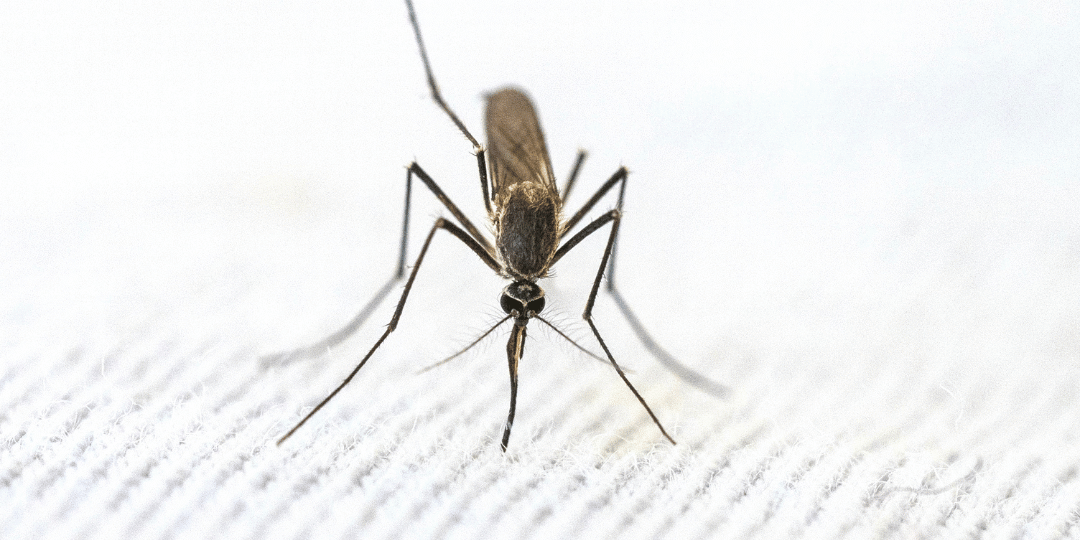
The Aedes mosquito, which is common throughout South Florida, is particularly persistent in residential areas. It is attracted to human activity and can breed in small amounts of standing water around homes. Because of this, scent based approaches alone do not address the underlying sources of mosquito activity.
For more consistent results, homeowners typically rely on broader Mosquito Control strategies. Mosquito Misting Systems and QuickNix Mosquito Treatments from MosquitoNix are designed to address mosquito activity at the source by targeting areas where mosquitoes rest and gather around outdoor living spaces.
In Broward County’s climate, where heat and moisture are constant factors, long term solutions tend to provide more reliable results than scent based repellents alone.
How Do You Permanently Get Rid of Mosquitoes
Homeowners in Broward County often ask if it is possible to permanently get rid of mosquitoes, especially after dealing with repeated outbreaks during South Florida’s tropical summer. The reality is that mosquitoes are part of the local ecosystem, particularly in regions influenced by the Everglades, inland wetlands, and consistent warm weather.
Because mosquitoes can travel from surrounding natural areas into residential neighborhoods like Fort Lauderdale, Wilton Manors, Weston, and Parkland, complete elimination is not a realistic outcome. Instead, effective Mosquito Control focuses on reducing mosquito populations and minimizing their presence around outdoor living spaces.
Long term management is especially important during periods of heavy rainfall and sea breeze collisions, when humidity levels rise and create ideal conditions for mosquito breeding. Even when homeowners follow Drain and Cover practices to remove standing water, mosquitoes can still find small and overlooked areas to reproduce.
Instead of aiming for permanent elimination, the most effective approach involves consistent and layered control strategies. These typically include:
Ongoing Mosquito Misting Systems
Mosquito Misting Systems are one of the most effective long term tools for managing mosquito activity around residential properties. These systems provide scheduled treatments that help reduce mosquito populations in key outdoor areas where they rest and feed.
In Broward County’s climate, where mosquito activity can increase quickly after storms, ongoing coverage is an important part of maintaining more comfortable outdoor environments.
Integrated Mosquito Control Strategies
Long term Mosquito Control often combines multiple methods to maintain consistent results. This can include habitat reduction, targeted treatments, and automated systems that work together to address mosquito activity from different angles.
MosquitoNix helps homeowners implement these strategies in a way that fits their property layout and outdoor living needs.
Realistic Expectations for South Florida Homes
In Broward County, mosquitoes are a persistent part of the environment due to year round warmth and humidity. Even the most advanced solutions cannot eliminate every mosquito, but they can significantly reduce activity around patios, pools, and backyards.
This is why many homeowners choose solutions like Mosquito Misting Systems and QuickNix Mosquito Treatments to help maintain more consistent outdoor comfort rather than relying on short term fixes.
What Repels Mosquitoes 100 Percent
A common question among Broward County homeowners is whether anything can repel mosquitoes completely. When searching for the best way to get rid of mosquitoes, it is natural to hope for a solution that provides total protection outdoors, especially during South Florida’s tropical summer when mosquito activity increases across neighborhoods like Fort Lauderdale, Wilton Manors, Weston, and Parkland.
The reality is that no product, scent, or treatment can repel mosquitoes 100 percent in every outdoor situation. Mosquitoes are highly adaptive and are constantly influenced by environmental conditions such as heat, humidity, wind patterns, and nearby breeding sources. In Broward County, sea breeze collisions and post storm moisture can quickly shift local conditions and increase mosquito activity even after treatments have been applied.
Many homeowners experiment with sprays, candles, and essential oils, but these solutions typically offer only partial or temporary reduction in mosquito presence. They may help in small areas or for short periods, but they do not fully address mosquito movement from surrounding environments such as the Everglades and inland wetlands.
Because mosquitoes can continuously repopulate outdoor areas, especially during periods of heavy rainfall and warm temperatures, long term Mosquito Control is necessary for more consistent results. This is where layered strategies become important rather than relying on a single product or method.
Why Complete Repellents Do Not Exist
Mosquitoes respond to multiple signals at once, including carbon dioxide, body heat, moisture, and scent. Even when one factor is reduced, others can still attract them. In Broward County’s climate, these attraction factors remain strong throughout much of the year due to persistent humidity and tropical summer conditions.
More Reliable Outdoor Mosquito Control
Instead of focusing on total repellency, homeowners often achieve better results through ongoing systems designed to reduce mosquito populations over time. Mosquito Misting Systems help maintain consistent treatment around outdoor living areas where mosquitoes rest and feed.
QuickNix Mosquito Treatments can also be used to address sudden increases in mosquito activity after storms or periods of heavy moisture.
MosquitoNix helps homeowners combine these approaches into a long term Mosquito Control strategy that fits the realities of South Florida living. While no solution can eliminate mosquitoes completely, consistent treatment can significantly reduce their presence and help improve outdoor comfort across Broward County homes.
What Time of Day Are Mosquitoes Worst in Broward County
Understanding when mosquitoes are most active can help Broward County homeowners better manage outdoor time and plan more effective Mosquito Control strategies. In South Florida’s tropical summer climate, mosquito activity is influenced by heat, humidity, rainfall, and local weather patterns such as sea breeze collisions.
In general, mosquitoes are most active during early morning hours and again in the late afternoon into evening. However, in Broward County, these patterns can extend beyond typical windows due to consistently warm temperatures and high humidity levels that allow mosquitoes to remain active for longer periods throughout the day.
Neighborhoods such as Fort Lauderdale, Wilton Manors, Weston, and Parkland often experience fluctuating mosquito activity depending on weather conditions. After afternoon storms, moisture levels rise quickly, creating ideal conditions for mosquitoes to become more aggressive during what would normally be lower activity periods.
The Aedes mosquito, which is common throughout South Florida, is especially notable because it can bite during daylight hours. This means homeowners may notice mosquito activity even during mid morning or midday, particularly in shaded outdoor areas or locations with dense landscaping.
Key Times Mosquito Activity Increases
Mosquito activity in Broward County often intensifies during:
- Early morning when temperatures are cooler and humidity is high
- Late afternoon as heat begins to drop and wind patterns shift
- After rainfall when standing water becomes more available
- During periods of high humidity following sea breeze collisions
How Weather Patterns Influence Activity
South Florida weather plays a major role in mosquito behavior. Tropical summer conditions combined with sudden rain events and coastal airflow changes can create pockets of still, warm air where mosquitoes thrive. Even short lived storms can significantly increase mosquito presence in residential areas for hours or days afterward.
The surrounding Everglades and inland wetlands also contribute to ongoing mosquito movement into nearby communities, which means activity can remain elevated even outside peak times.
Managing Mosquito Activity Throughout the Day
Because mosquito activity in Broward County is not limited to a single time window, consistent Mosquito Control is often more effective than reacting only during peak hours. Mosquito Misting Systems help maintain ongoing coverage around outdoor living areas, while QuickNix Mosquito Treatments can provide targeted support after weather events that increase mosquito pressure.
MosquitoNix helps homeowners reduce mosquito activity across all parts of the day so they can better enjoy patios, pools, and outdoor spaces throughout South Florida’s long mosquito season.
Best Way to Get Rid of Mosquitoes: Long Term Solutions for Broward County Homeowners
For homeowners in Broward County, finding the best way to get rid of mosquitoes is not about a single product or quick fix. It is about building a consistent approach to Mosquito Control that matches the realities of South Florida’s tropical summer climate, frequent rainfall, and ongoing environmental pressure from nearby wetlands and the Everglades.
Across communities like Fort Lauderdale, Wilton Manors, Weston, and Parkland, mosquito activity can shift quickly based on heat, humidity, and sea breeze collisions. Even when homeowners follow guidance like Drain and Cover, mosquitoes can still return after storms or periods of high moisture. This is why short term repellents often struggle to provide lasting relief in outdoor living spaces.
A more reliable approach focuses on ongoing mosquito reduction around the home. Mosquito Misting Systems are designed to provide consistent coverage in key outdoor areas where mosquitoes rest and feed. When combined with QuickNix Mosquito Treatments during periods of increased activity, homeowners can better manage mosquito pressure throughout the year.
MosquitoNix South Florida specializes in helping South Florida homeowners take back their outdoor spaces with solutions designed specifically for conditions in Broward County. Our approach focuses on long term Mosquito Control strategies that help reduce mosquito activity around patios, pools, and backyards so outdoor living can be more enjoyable.
If you are ready to improve your outdoor environment and reduce mosquito activity around your home, MosquitoNix South Florida can help. Contact us today to learn more about Mosquito Misting Systems and QuickNix Mosquito Treatments designed for Broward County homeowners who want a more consistent solution for outdoor mosquito control.