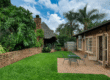


If you live in South Florida, you already know mosquitoes are not just a seasonal annoyance. In places like Miami Dade and Broward County, mosquito activity never really disappears. The combination of warm temperatures, constant humidity, and frequent rain creates the perfect environment for mosquitoes to thrive every single month of the year.
For homeowners in neighborhoods like Brickell, Fort Lauderdale, and Boca Raton, outdoor living is part of everyday life. Backyards, patios, and pool areas are meant for relaxing and entertaining. But high mosquito pressure often makes those spaces uncomfortable, especially during the May to October wet season when populations surge.
One of the biggest contributors to this problem is hurricane season standing water in Miami Dade. Heavy rains, tropical storms, and hurricanes leave behind water in gutters, planters, drains, and low lying areas. Even small amounts of standing water can quickly turn into breeding grounds, allowing mosquito populations to multiply in a matter of days.
This is why many homeowners start searching for a reliable mosquito repellent for large areas. Standard solutions often fall short when you are dealing with larger properties and constant reinfestation from surrounding areas. Effective mosquito control in South Florida requires a more comprehensive approach that accounts for the local climate, geography, and year round mosquito activity.
Understanding why mosquitoes are so persistent in this region is the first step toward taking back control of your outdoor space.
Why Large Yards in South Florida Attract More Mosquitoes
Owning a larger property in South Florida comes with plenty of advantages, but it also increases your exposure to mosquitoes. In areas like Miami Dade and Broward, where the climate stays warm and humid year round, bigger outdoor spaces naturally create more opportunities for mosquitoes to live and reproduce.
One of the main reasons is the sheer amount of space. Larger yards often include a mix of landscaping features such as hedges, trees, gardens, and shaded areas. These environments provide ideal resting spots for mosquitoes during the day, especially in neighborhoods like Brickell, Fort Lauderdale, and Boca Raton where lush greenery is common.
Water accumulation is another major factor. During the May to October wet season, frequent rainstorms saturate the ground and fill anything that can hold water. On a larger property, it becomes much harder to monitor and manage every potential source. This is especially true when dealing with hurricane season standing water in Miami Dade, where storms can leave behind hidden pockets of water in:
- Low lying areas of the yard
- Drainage systems and gutters
- Planters, outdoor furniture, and decorative features
- Pool decks and covered areas that do not dry quickly
Even small amounts of water can support mosquito breeding, and in South Florida’s climate, eggs can develop into biting adults in just a few days.
Another challenge with large properties is perimeter exposure. Mosquitoes do not respect property lines. If nearby homes, canals, or green spaces hold standing water, mosquitoes can easily migrate into your yard. This makes basic mosquito control efforts less effective unless they are designed to cover a wide area consistently.
For homeowners with expansive outdoor spaces, these combined factors make it clear why a standard approach is often not enough. Finding a mosquito repellent for large areas becomes essential when you want to fully enjoy your yard without constant interruptions.
The Impact of Hurricane Season Standing Water in Miami-Dade
In South Florida, hurricane season is one of the biggest drivers of mosquito problems. From June through November, and especially during the peak months of August and September, Miami Dade and surrounding areas experience frequent heavy rainfall, tropical storms, and hurricanes. This consistent weather pattern creates ideal conditions for mosquito populations to expand rapidly.
The main issue is what happens after the rain stops. Hurricane season standing water in Miami Dade often remains long after a storm has passed. Water collects in places that are easy to overlook, such as clogged gutters, yard drains, buckets, outdoor toys, plant saucers, and low spots in landscaping. In neighborhoods like Brickell, Fort Lauderdale, and Boca Raton, where dense development meets heavy vegetation, these small water sources are common and difficult to eliminate completely.
Mosquitoes are highly efficient at taking advantage of these conditions. Once water is left standing, even for a short period, it can become a breeding site. Eggs hatch quickly in warm temperatures, which means a single storm event can lead to a noticeable increase in mosquito activity within days.
This cycle is one of the reasons mosquito pressure remains so high in South Florida even outside of major storms. The combination of frequent rainfall, high humidity, and warm temperatures allows mosquito populations to recover quickly and persist throughout the year.
For homeowners, this creates a recurring challenge. Even if one storm is cleaned up properly, another round of rain can restart the problem. That is why consistent mosquito control is so important in this region. Without a proactive approach, outdoor spaces can quickly become uncomfortable during and after hurricane season, especially in larger yards where standing water is harder to detect and manage.
How to Get Rid of Mosquitoes in a Large Area
When it comes to controlling mosquitoes in large outdoor spaces in South Florida, basic solutions like candles, sprays, or occasional yard treatments rarely provide lasting results. The combination of year round heat, humidity, and frequent rain in Miami Dade and Broward means mosquito pressure is constant, especially during the May to October wet season.
So how to get rid of mosquitoes in a large area effectively? The answer usually requires a layered approach that focuses on both prevention and ongoing treatment.
Reduce breeding sources first
The most important step in any mosquito control plan is eliminating standing water wherever possible. In South Florida, this includes:
- Clearing gutters and drainage areas after storms
- Emptying containers that collect rainwater
- Checking landscaping features for hidden water buildup
- Maintaining proper yard drainage, especially after hurricane season standing water in Miami Dade events
Even small water sources can support mosquito reproduction, so regular inspection is essential.
Use professional mosquito control strategies
For larger properties, professional solutions are often more effective than DIY methods. Mosquito Control programs are designed to target both active mosquitoes and breeding zones. These treatments focus on reducing mosquito populations at the source rather than just repelling them temporarily.
In areas like Brickell, Fort Lauderdale, and Boca Raton, where outdoor living spaces are heavily used, consistent coverage is especially important due to nearby vegetation, canals, and dense residential layouts that allow mosquitoes to travel easily between properties.
Implement automated protection systems
One of the most effective long term solutions for large yards is a system that delivers regular, controlled treatments across the entire property. Mosquito Misting Systems are designed for this purpose, providing consistent coverage that helps reduce mosquito activity in outdoor living areas, patios, and landscaping zones.
These systems are especially useful in South Florida because mosquito pressure does not follow a predictable seasonal break. Instead, it remains active nearly year round, requiring ongoing management rather than occasional treatment.
Supplement with targeted treatments
In addition to system based protection, targeted applications such as QuickNix Mosquito Treatments can help address sudden increases in mosquito activity, especially after heavy rain or storm events. These treatments are often used as part of a broader mosquito management plan to reinforce protection during peak periods.
When combined, these strategies create a more complete approach to managing mosquitoes across large properties, helping homeowners maintain their outdoor spaces even in challenging South Florida conditions.
Why Mosquito Misting Systems Are Ideal for Large South Florida Properties
For homeowners with larger outdoor spaces in South Florida, consistency is the biggest challenge in mosquito management. Because mosquito activity remains high year round in Miami Dade and Broward, especially during the May to October wet season, occasional treatments often fall short. This is where Mosquito Misting Systems become especially effective.
A Mosquito Misting System is designed to deliver scheduled applications throughout your outdoor space, targeting areas where mosquitoes rest and breed. Instead of relying on one time treatments, the system works continuously to help reduce mosquito presence across the entire property, including hard to reach landscaping, shaded areas, and perimeter zones.
Designed for larger outdoor environments
In neighborhoods like Brickell, Fort Lauderdale, and Boca Raton, outdoor spaces vary widely in size and layout. Some homes have compact patios, while others feature expansive yards, pool decks, gardens, and canal side properties. Larger spaces require broader coverage, which is where automated systems offer a clear advantage.
Because mosquitoes do not stay in one place, effective Mosquito Control must account for movement between neighboring properties, vegetation, and water sources. A distributed system helps address this by covering multiple zones rather than isolated spots.
Built for South Florida conditions
South Florida’s climate presents a unique challenge. Warm temperatures and humidity support mosquito activity throughout the year, while frequent storms and hurricane season standing water in Miami Dade create repeated spikes in population.
Mosquito Misting Systems are particularly useful in this environment because they provide consistent reinforcement even after weather events that typically trigger mosquito surges. Instead of reacting after populations increase, homeowners can maintain a more stable level of control over time.
Supporting a complete mosquito management plan
While no single solution works alone, Mosquito Misting Systems often serve as the foundation of a broader strategy. When combined with ongoing Mosquito Control practices and supplemental options like QuickNix Mosquito Treatments, homeowners can better manage mosquito pressure across large properties.
For many South Florida residents, especially those who spend significant time outdoors, this type of system helps create a more usable and enjoyable backyard environment throughout the year.
Common Questions About Mosquitoes in South Florida
Homeowners across Miami Dade, Broward, and nearby areas like Fort Lauderdale, Brickell, and Boca Raton often have similar questions about why mosquitoes are so persistent and how to manage them effectively. Below are some of the most common questions, along with clear answers tailored to South Florida conditions.
How to get rid of mosquitoes in a large area?
Getting rid of mosquitoes in a large area requires more than surface level treatments. In South Florida, where mosquito activity is active year round, the most effective approach combines multiple strategies. This includes removing standing water, maintaining consistent Mosquito Control practices, and using systems designed for broader coverage such as Mosquito Misting Systems.
Large properties benefit most from ongoing solutions because mosquitoes quickly return after rain events, especially during the May to October wet season. In areas affected by hurricane season standing water in Miami Dade, regular maintenance and automated treatment systems are often necessary to reduce reinfestation.
What time of day do mosquitoes lay eggs?
Mosquitoes typically lay eggs during periods of still water availability, which in South Florida can happen at any time due to frequent rainfall. However, many species are most active during early morning and evening hours. In humid regions like Miami Dade and Broward, eggs can be laid quickly after rain collects in containers, gutters, or landscaping features.
Because of the warm climate, eggs can develop rapidly into biting mosquitoes, sometimes in less than a week depending on conditions.
What is the biggest enemy of the mosquito?
Mosquitoes have several natural predators, including certain fish, dragonflies, birds, and bats. In South Florida, dragonflies and some native fish species play an important role in reducing larvae in standing water.
However, natural predators alone are not enough to control mosquito populations in residential areas. The combination of constant warmth, humidity, and recurring rainfall allows mosquitoes to reproduce faster than predators can keep up, especially in suburban and urban environments.
What US state has the worst mosquitoes?
While mosquito levels vary year to year, Florida is consistently ranked among the states with the highest mosquito activity due to its tropical and subtropical climate. South Florida in particular experiences high pressure because of year round warmth, heavy rainfall, and proximity to wetlands and coastal water systems.
Areas like Miami Dade, Broward, and Palm Beach counties often experience especially strong mosquito activity during the wet season and after major storms.
Which blood type do mosquitoes hate?
There is no scientifically proven blood type that mosquitoes consistently avoid. While research suggests mosquitoes may be more attracted to certain blood types or body chemistry, in South Florida environmental factors play a much larger role.
Warm temperatures, high humidity, carbon dioxide output, and skin exposure outdoors are far more influential than blood type. In regions like Brickell or Fort Lauderdale, mosquito exposure is driven primarily by climate and habitat conditions rather than individual biological traits.
Take Back Your Backyard with MosquitoNix
Living in South Florida means enjoying outdoor spaces year round, but it also means dealing with persistent mosquito pressure in places like Miami Dade, Broward, Fort Lauderdale, Brickell, and Boca Raton. From the long wet season to hurricane season standing water in Miami Dade, the conditions that support mosquito activity are constant and difficult to fully control without a comprehensive approach.
For homeowners with larger properties, relying on short term solutions often leads to ongoing frustration. Mosquitoes quickly return after rain, especially in areas where humidity, landscaping, and nearby water sources create ideal breeding environments. That is why many residents turn to more consistent solutions that are designed for long term Mosquito Control across entire outdoor spaces.
MosquitoNix South Florida helps homeowners reclaim their outdoor living areas with proven Mosquito Misting Systems that provide consistent coverage for large properties. Combined with targeted options like QuickNix Mosquito Treatments, these solutions are designed to reduce mosquito pressure and help you enjoy your backyard more comfortably throughout the year.
If you are searching for a more effective mosquito repellent for large areas, it may be time to move beyond temporary fixes and explore a system built for South Florida conditions.
MosquitoNix South Florida is here to help you take back your backyard and make outdoor living something you can enjoy again.